
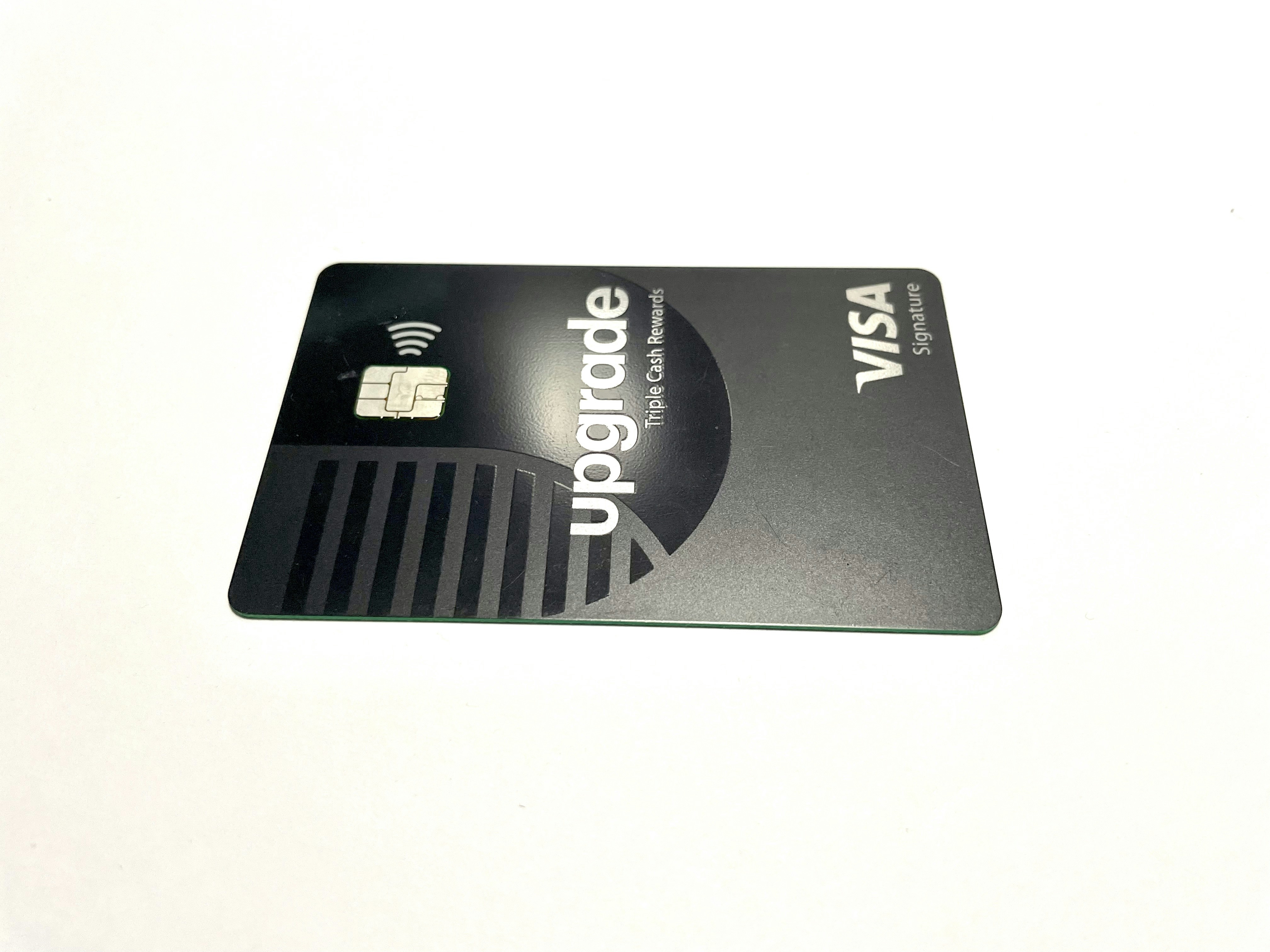
Introduction to Student Credit Cards
Student credit cards are financial products specifically designed for college students and young adults who are looking to establish their credit history. These cards hold significant importance, particularly for those with limited or negative credit histories. They serve as a vital tool for students seeking to develop a positive credit profile while also gaining experience in managing personal finances.
One of the primary purposes of student credit cards is to help young adults build credit. Establishing a solid credit score is essential for future financial endeavors, such as applying for loans or mortgages. Many students enter college with little to no credit history, making it challenging to access traditional credit products. By utilizing the best student credit cards for bad credit, they can begin accumulating positive credit history, which will benefit them in the long run.
Additionally, student credit cards are designed to facilitate financial responsibility. Most of these cards come with educational resources and tools that help users track their spending habits and learn about budgeting. This experience is invaluable as students transition into adulthood and take on more significant financial responsibilities.
Managing expenses is another critical aspect of student life. With a credit card, students can cover necessary expenses, such as textbooks, school supplies, and other living costs, while earning rewards or cashback. However, it is crucial for students to use their cards wisely and maintain a disciplined approach to repayment, minimizing the risk of accruing debt. By doing so, they can enjoy the benefits without facing the drawbacks that can arise from mismanagement.
Overall, understanding the purpose of student credit cards and how they can positively impact young adults’ financial journeys is essential in making informed decisions for their futures.
Understanding Bad Credit
Bad credit typically refers to a low credit score, which can significantly hinder an individual’s financial opportunities. For students, this scenario is particularly challenging as they often lack a comprehensive credit history. A bad credit score is generally defined as a score below 580 on a scale of 300 to 850, indicating high risk to lenders.
Several factors can contribute to a bad credit score. The most common includes missed or late payments on existing debts, such as student loans or past credit cards. The length of credit history is another significant factor; students often have little to no credit history, which can affect their scores negatively. High credit utilization—using a large proportion of available credit relative to total credit limits—can also lower credit scores. Additionally, applying for multiple credit accounts in a short time can signal financial distress to creditors, further damaging one’s credit rating.
Credit scores are calculated through various factors, weighted differently based on their importance. Payment history accounts for approximately 35% of the total score, making it the most influential factor. Other elements include amounts owed (30%), length of credit history (15%), types of credit in use (10%), and new credit inquiries (10%). Understanding these components can empower students to make informed financial decisions that positively impact their credit scores.
Maintaining a good credit history is essential for students as it opens the door to various financial opportunities post-graduation. Better credit scores often lead to lower interest rates on loans, favorable terms on credit cards, and increased chances of being approved for housing leases. Students should therefore focus on building and improving their credit profiles as they navigate their academic journeys. By recognizing the implications of bad credit, they can strategically work towards achieving a stronger financial foundation.
Advantages of Using Student Credit Cards
For students with bad credit, the best student credit cards for bad credit offer several significant advantages that can help them navigate financial responsibilities while building a healthier credit profile. One of the primary benefits of utilizing these specialized credit cards is the opportunity to establish and improve credit history. Regular and responsible usage of a student credit card can positively impact credit scores, which is essential for future financial endeavors such as loans or mortgage applications.
In addition to credit-building, many of the best student credit cards provide rewards and cashback opportunities. Although students often operate on a tight budget, earning rewards on everyday purchases can result in savings over time. Some cards offer points or cash back for specific categories like groceries or gas, which can be particularly beneficial for managing student budgets effectively. As a result, students can not only learn to manage credit but also gain added value from their expenditures.
Furthermore, student credit cards typically come with manageable credit limits tailored to the spending habits of young individuals, making them easier to handle and reducing the risk of overwhelming debt. Most of these cards feature user-friendly online management tools that allow students to track their expenses and make payments conveniently. This ease of management is crucial for students who may be juggling academic responsibilities and part-time work.
Overall, utilizing the best student credit cards for bad credit can significantly aid in developing financial literacy. By fostering responsible spending and payment practices, students can set a strong foundation for a stable financial future. Thus, understanding and leveraging these advantages is imperative for students aiming to overcome their credit challenges.
Key Features to Look for in Student Credit Cards
When students with bad credit are searching for suitable credit cards, there are several key features they must consider to make an informed choice. Understanding these features can help students manage their finances better while building their credit history.
First and foremost, interest rates play a significant role in the overall cost of borrowing. The best student credit cards for bad credit typically offer competitive interest rates, which can be particularly beneficial for students who may carry a balance from month to month. It is essential to compare rates across different cards, as even a small difference can lead to substantial savings over time.
Annual fees are another critical aspect. Many credit cards come with fees that can eat into the benefits provided. Students should prioritize cards with low or no annual fees to maximize value. Some credit cards specifically designed for students feature waived annual fees in the first year, making them a more attractive option.
A rewards program can also enhance the credit card experience. Some of the best student credit cards for bad credit offer cashback or points on purchases, enabling students to earn rewards on everyday spending. When evaluating rewards, it is essential to consider the categories in which students typically spend, such as groceries or dining out, to find a program that suits their lifestyles.
Finally, credit limits are particularly vital for students who are just starting their credit journey. Cards with lower credit limits can help students manage their spending better while also providing an opportunity to demonstrate responsible credit behavior. Additionally, as they establish a positive payment history, many issuers may offer credit limit increases, allowing for greater flexibility in the future.
Top Student Credit Cards for Bad Credit
Navigating the world of credit can be particularly challenging for students with bad credit. However, there are several suitable options available that can help these students build or rebuild their credit profiles. Here is a curated list of some of the best student credit cards for bad credit, including their advantages and potential drawbacks.
1. Discover it® Student Cash Back
This card offers a rewards program that allows students to earn 5% cash back on rotating categories like grocery stores and restaurants, along with 1% on all other purchases. The card also provides a generosity feature where new cardholders can receive a dollar-for-dollar match on their cash back earned in the first year. One downside is that it requires some credit history to qualify, making it less accessible for those with extremely bad credit.
2. Capital One® Secured Mastercard®
This secured credit card is ideal for students looking to establish their credit. A cash deposit secures the line of credit, and users can gradually increase their credit limit after making on-time payments. The main drawback is that it does not offer rewards, which might be a consideration for those looking to take advantage of cash back benefits.
3. OpenSky® Secured Visa® Credit Card
This card is accessible to students without a credit check, making it an excellent option for those with bad credit histories. Like the Capital One card, it requires a cash deposit that acts as your credit limit. However, it does have an annual fee, which can be a deterrent for some users.
4. Credit One Bank® Platinum Visa® for Rebuilding Credit
This option also caters to students with bad credit. It offers a low annual fee and the potential to earn cash back on purchases. The downside is the card comes with a variable APR, which can be high, further complicating debt management for students.
Choosing from these best student credit cards for bad credit can help students not only manage their finances but also cultivate useful credit habits that will benefit them in the future.
How to Apply for a Student Credit Card
Applying for a student credit card, especially for those with bad credit, can seem daunting. However, understanding the application process can significantly enhance your chances of approval. Here are the steps to effectively apply for a student credit card.
First, it’s essential to research and identify the best student credit cards for bad credit that match your needs. Look for options specifically designed for students or those with limited credit history. Once you have a shortlist, review the specific requirements for each card, such as age, income, and residency status.
Next, gather the necessary information before starting the application. Typically, you will need to provide your Social Security number, proof of enrollment in an educational institution, and details regarding your income or financial support. Some institutions may also require a co-signer, especially if your credit history is weak. Having these documents ready will make the application process smoother.
When applying online or in person, fill out the application completely and accurately to avoid unnecessary delays. Ensure that your personal information, such as address and contact details, is correct. Incomplete or incorrect applications can lead to denial even for the best student credit cards for bad credit.
To enhance your chances of approval, consider your overall application profile. If possible, provide evidence of your financial responsibility or stability, which could include bank statements or proof of income. Monitoring any existing credit accounts is also beneficial; make sure payments are current and that your credit utilization is low.
Finally, be wary of common pitfalls. Avoid applying for multiple credit cards at once, as this could negatively impact your credit score. Additionally, do not ignore the terms and conditions of the card; understanding the fees, interest rates, and rewards will help you make an informed decision.
By following these steps, you can successfully navigate the application process for a student credit card, even with limited or poor credit history.
Tips for Managing Credit Responsibly
Managing credit cards is a crucial skill that can significantly impact financial health, especially for students seeking the best student credit cards for bad credit. To navigate this financial responsibility effectively, students should focus on several key practices.
Firstly, making timely payments is paramount. Payment history constitutes a substantial part of your credit score; thus, consistently paying your bill on or before the due date can help establish a positive credit history. Setting up automatic payments for at least the minimum amount due ensures that you never miss a deadline. Alternatively, students can use reminders on their phones or calendars to alert them of impending payment dates.
Another essential tip is to keep credit card balances low. High utilization ratios, which represent the percentage of available credit being used, can negatively affect credit scores. It is advisable to aim for a utilization ratio below 30%. If possible, paying off the full balance each month not only prevents interest from accumulating but also demonstrates responsible credit usage. This practice can bolster your chances of qualifying for better credit opportunities in the future.
Furthermore, monitoring credit reports regularly can provide insight into your credit standing and help identify any discrepancies. Students can obtain one free credit report annually from each of the major credit bureaus through AnnualCreditReport.com. Keeping a close eye on credit reports allows you to spot unauthorized transactions or inaccuracies, which can be disputed promptly.
In addition, educating oneself about credit terms, interest rates, and fees associated with credit card usage is crucial. Understanding these elements can assist students in making informed decisions about managing their accounts effectively. Overall, adopting these practices enables students to responsibly manage their credit, especially when utilizing the best student credit cards for bad credit.
Building Credit with a Student Credit Card
For students who may be navigating the complexities of credit for the first time, a student credit card can be an invaluable tool for building or improving credit scores, especially for those with less-than-stellar credit histories. Utilizing the best student credit cards for bad credit properly can set the foundation for long-term financial health.
One of the most significant factors affecting credit scores is credit utilization, which is the ratio of current credit card balances to available credit limits. It is generally recommended to keep this ratio below 30%. By effectively managing credit utilization—i.e., using only a portion of the available limit—students can positively influence their credit scores over time. For instance, if a student has a credit card with a $1,000 limit, they should aim to keep their balance below $300. This strategy not only showcases responsible credit behavior but can also help in achieving a better score.
Timely payments are another critical component of credit building. Each timely payment contributes positively to the credit history, while missed payments or late payments can have a detrimental effect. Students are encouraged to set reminders for payment deadlines or automate payments to avoid any lapses. This consistent pattern of on-time payments can demonstrate creditworthiness to potential lenders when applying for loans or other credit in the future.
While individual results may vary, students can generally expect to see a noticeable improvement in their credit scores within six months to a year, provided they adhere to responsible credit management practices. Regularly reviewing credit reports to check for inaccuracies can also be beneficial, as disputing errors can lead to swift score improvements. In summary, leveraging the best student credit cards for bad credit, while focusing on credit utilization and timely payments, can significantly aid in building a solid credit foundation that may benefit students in their future financial endeavors.
Conclusion
Choosing the right financial products is crucial for students, especially for those with bad credit. In our exploration of the best student credit cards for bad credit, we have highlighted several options that may help students build their credit profiles while managing their finances responsibly. By selecting a card tailored to their financial situations, students can benefit from features such as no annual fees, cash back rewards, and educational resources regarding credit management.
It is essential for students to understand that while credit cards provide convenience, they also come with responsibilities. Engaging wisely with credit—such as making timely payments and maintaining low credit utilization—can set the foundation for a stronger credit history. As students venture into the world of credit, they must remain vigilant in avoiding common pitfalls that can adversely affect their scores.
Those with bad credit should take this opportunity to leverage the best student credit cards for bad credit to not only satisfy immediate financial needs but also to pave a pathway toward future financial independence. By prioritizing informed decision-making and proactive financial management, students can enhance their creditworthiness over time. As we conclude, remember that building a solid credit history takes time and patience, but the rewards of financial flexibility and access to better credit opportunities are well worth the effort.