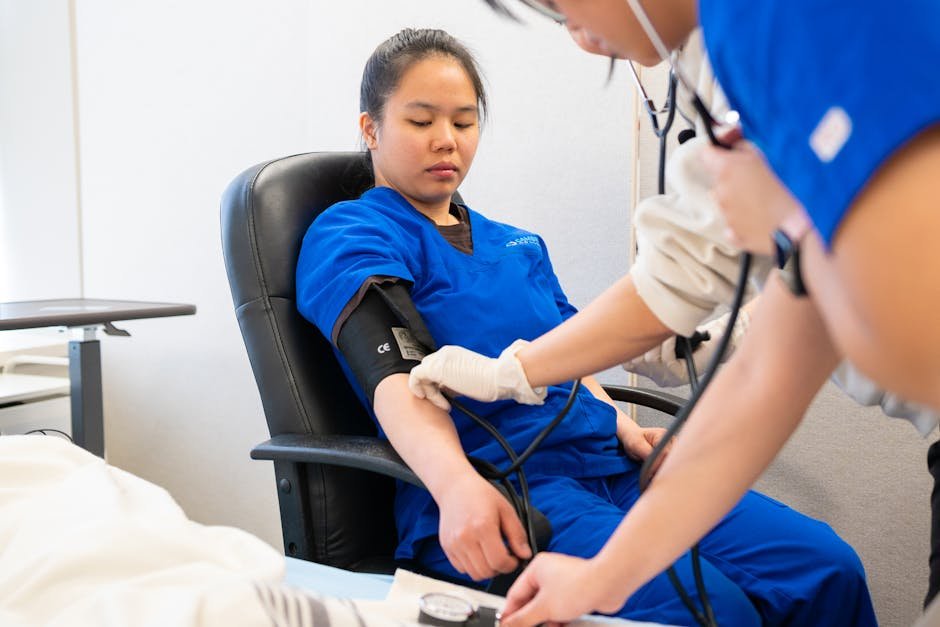
12 Month Accelerated Nursing Programs: The Fastest Path to Your BSN or RN License
Twelve-month accelerated nursing programs represent the pinnacle of fast-track healthcare education — an opportunity to complete a full BSN degree in just one calendar year and qualify for the NCLEX-RN licensing exam. Designed primarily for career changers who already hold a non-nursing bachelor’s degree, these intensely compressed programs are not for the faint of heart, but for the right candidate, they offer an unmatched combination of speed, credential quality, and career ROI. This guide covers everything you need to know about 12-month accelerated nursing programs, including who qualifies, what the experience demands, how to find them, and what your career looks like on the other side.
What Makes a Nursing Program “12-Month Accelerated”?
True 12-month accelerated BSN programs, often called ABSN (Accelerated Bachelor of Science in Nursing) programs, compress the clinical and didactic content of a traditional four-year BSN into approximately 12 to 15 months. They accomplish this compression by admitting only students who already hold a bachelor’s degree (in any field) and have completed nursing prerequisite sciences, eliminating the need for general education coursework entirely. Every course, every week, and every clinical rotation is focused exclusively on nursing content. The result is a full, accredited BSN degree in the shortest possible timeframe.
Who Is Eligible for 12-Month Accelerated Programs?
Eligibility requirements are specific and non-negotiable at most institutions. To be considered for a 12-month ABSN program, you typically need a completed bachelor’s degree from an accredited institution in any non-nursing field, completed prerequisite science courses including Anatomy and Physiology I and II, Microbiology, Statistics, and often Chemistry or Nutrition, a competitive cumulative GPA (most programs require 3.0 minimum; top programs prefer 3.5+), letters of recommendation from academic or professional supervisors, a compelling personal statement demonstrating commitment to nursing, and sometimes documented healthcare experience (CNA, EMT, medical scribe, patient care technician, or similar roles). The prerequisite courses are often the primary preparation hurdle — plan to complete any missing prerequisites before your target application cycle.
The Daily Reality of a 12-Month Accelerated Program
Students who have completed 12-month ABSN programs consistently describe the experience as the most demanding academic challenge of their lives — and also one of the most rewarding. Here is what a typical week looks like:
Coursework is delivered Monday through Friday, often with full days of lecture, lab, or clinical rotation. Exams occur frequently — sometimes weekly or biweekly across multiple courses. Clinical rotations begin early in the program and run simultaneously with heavy coursework. Students commonly report studying 30 to 50 hours per week outside of scheduled program hours. There is minimal time for employment, social activities, or family obligations during the program. Financial planning before enrollment is essential — most students cannot work meaningfully during a 12-month ABSN.
Despite the intensity, ABSN graduates consistently demonstrate NCLEX-RN pass rates and clinical competence comparable to traditional BSN graduates. The compressed timeline does not produce inferior nurses — it demands extraordinary commitment from the students who succeed in it.
Curriculum of a 12-Month ABSN Program
In 12 months, students cover the complete BSN curriculum at an accelerated pace. Core areas include Nursing Fundamentals and Health Assessment, Pathophysiology across major body systems, Pharmacology and medication safety, Medical-Surgical Nursing I and II, Pediatric Nursing, Maternal-Newborn Nursing, Mental Health and Psychiatric Nursing, Community and Public Health Nursing, Nursing Leadership and Evidence-Based Practice, and 700 to 900 hours of clinical rotations across multiple specialty areas and patient populations.
Clinical Hours: The Non-Negotiable Component
Even in 12-month programs, clinical training cannot be rushed below CCNE and state board minimums. Students complete hundreds of supervised clinical hours in hospitals, clinics, labor and delivery units, pediatric floors, psychiatric facilities, and community health settings. These rotations are arranged at partner healthcare facilities near the program campus or, in hybrid programs, near the student’s home. The quality and diversity of clinical experiences in 12-month programs are critical — they directly determine how prepared graduates are for the realities of the NCLEX-RN and their first RN position.
Finding 12-Month Accelerated Nursing Programs
True 12-month ABSN programs are offered at universities nationwide. To find them, search the CCNE program directory at ccneaccreditation.org filtering by “ABSN” or “second-degree BSN,” search university websites in your region specifically for “12-month BSN” or “second-degree accelerated BSN,” and contact local hospital systems, which often partner with ABSN programs and offer tuition assistance or guaranteed hiring agreements. Well-known programs with 12-month or near-12-month timelines include those at Johns Hopkins University, Georgetown University, Drexel University, the University of Virginia, and many regional universities across the country.
Cost and Financial Considerations
Twelve-month ABSN programs at private universities may cost between $40,000 and $80,000 in tuition. Public university programs are generally more affordable, ranging from $20,000 to $50,000. While the cost is significant, consider that you will be earning an RN salary within 12 to 14 months of program entry — faster than any other BSN pathway. Many hospital systems offer guaranteed employment agreements with tuition assistance to ABSN participants, often requiring a two-year employment commitment post-graduation in exchange for substantial financial support.
Career Outcomes After a 12-Month ABSN
ABSN graduates earn the same BSN degree as traditional nursing graduates and are eligible for the same positions. Many bring additional professional expertise from prior careers — healthcare, science, engineering, social services, or business — that makes them attractive to hospital employers and opens doors to specialty nursing roles earlier than typical new graduates. The national median RN salary of approximately $81,000, combined with a one-year path to that income for career changers, makes the 12-month ABSN one of the highest-ROI educational investments available.
Conclusion
Twelve-month accelerated nursing programs demand everything you have — but they deliver a full BSN credential, NCLEX-RN eligibility, and an accelerated entry into one of the most stable, meaningful, and well-compensated professions in the country. If you have an existing bachelor’s degree, the prerequisite sciences completed, a competitive GPA, and the personal commitment to sustain an intensive year-long program, the 12-month ABSN may be your fastest and most career-optimal path into nursing. Research CCNE-accredited programs in your region, prepare your application materials carefully, and take the first step toward a career that will reward your investment for decades.